
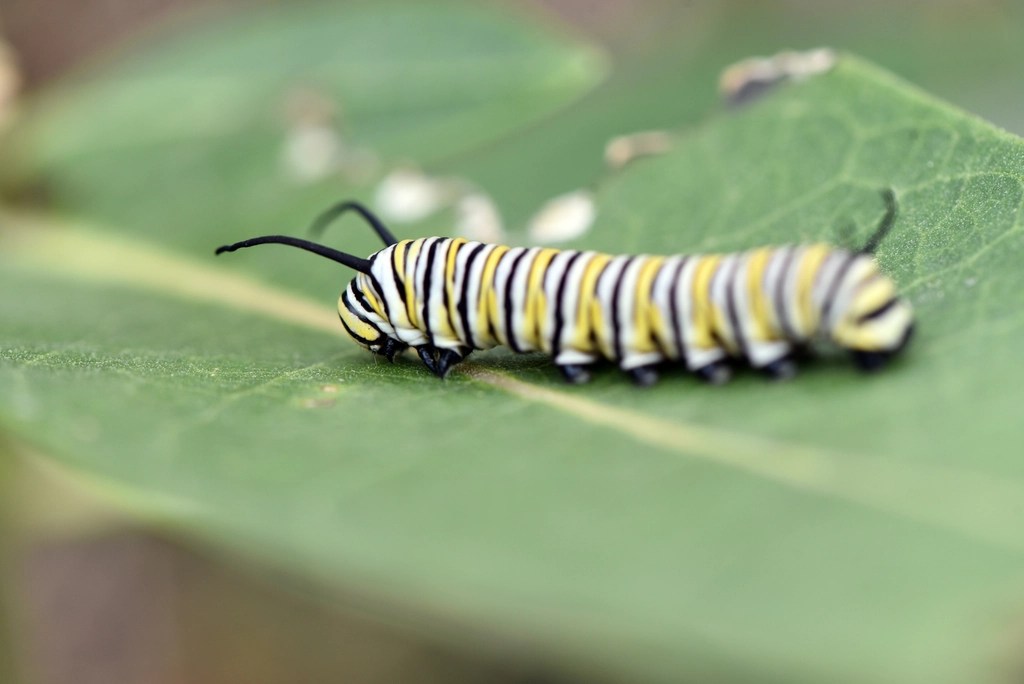
Raising monarch caterpillars is such a rewarding experience! Watching them grow from tiny eggs into beautiful butterflies is like witnessing a little miracle unfold right in your own backyard. Plus, it’s a fun and educational activity for kids—they get to see nature up close and learn about the butterfly life cycle firsthand. But these little guys face a lot of challenges, from predators to disease to habitat loss.
If you’ve ever wanted to help monarchs thrive, providing a safe space for their caterpillars is one of the best ways to do it. Whether you’re raising them outdoors or simply keeping an eye on the ones in your garden, here’s everything you need to know to give them the best chance at becoming strong, healthy butterflies!
Raising Monarchs Outdoors – The Natural Way!
If you want to raise monarchs responsibly, keeping them in their natural environment is the way to go. While using a mesh enclosure can help protect them from predators, it’s important to place it outside where they can experience the natural conditions they need to survive.
Raising them inside a climate-controlled home can be harmful because they won’t be exposed to the temperature, sunlight, and natural cues that help them develop properly. Monarchs need to feel the shifts in temperature, humidity, and even wind to strengthen their wings and prepare for migration.
For the best results:
- Keep enclosures outdoors in a shaded area, like under a tree or on a covered porch, to protect them from extreme heat.
- Ensure good airflow so they experience natural breezes, which help them grow strong.
- Let them experience day and night cycles so they follow their natural rhythms.
- Release them on a warm, sunny day so they can take flight successfully.
By raising monarchs outside, you’re giving them the best possible start in life—one that prepares them for the wild and helps them contribute to future generations of these amazing butterflies!
The Monarch Life Cycles
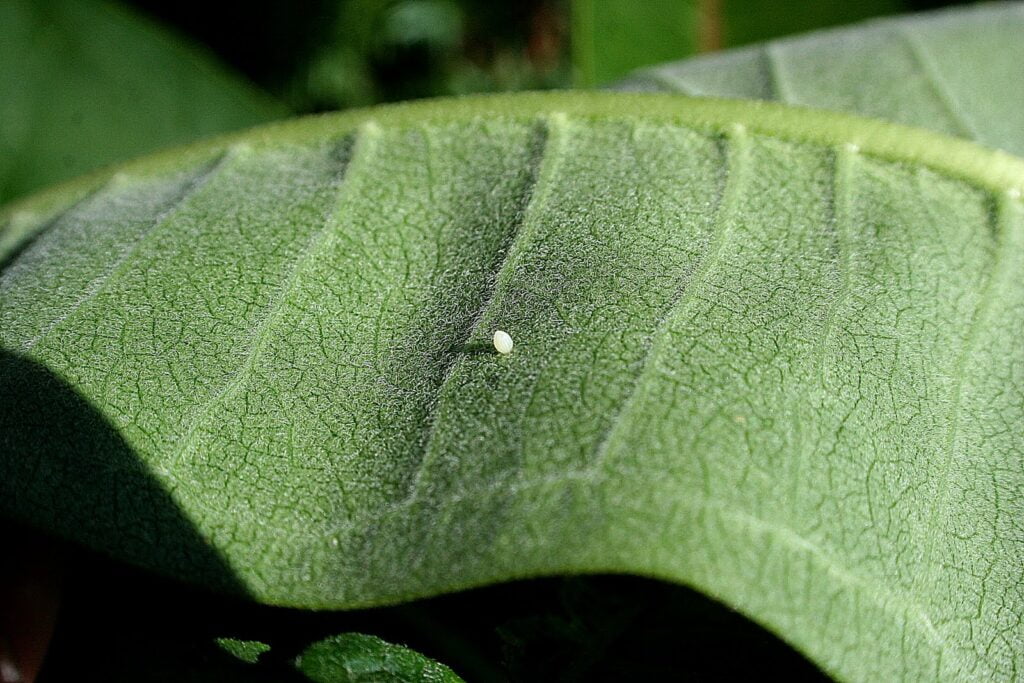
EGGS
- Monarch butterflies lay tiny, cream-colored eggs on the undersides of swamp milkweed leaves.
- Eggs hatch in 3-5 days. To protect them, avoid using pesticides or disturbing the leaves.
CATERPILLAR STAGES (LARVAL STAGE)
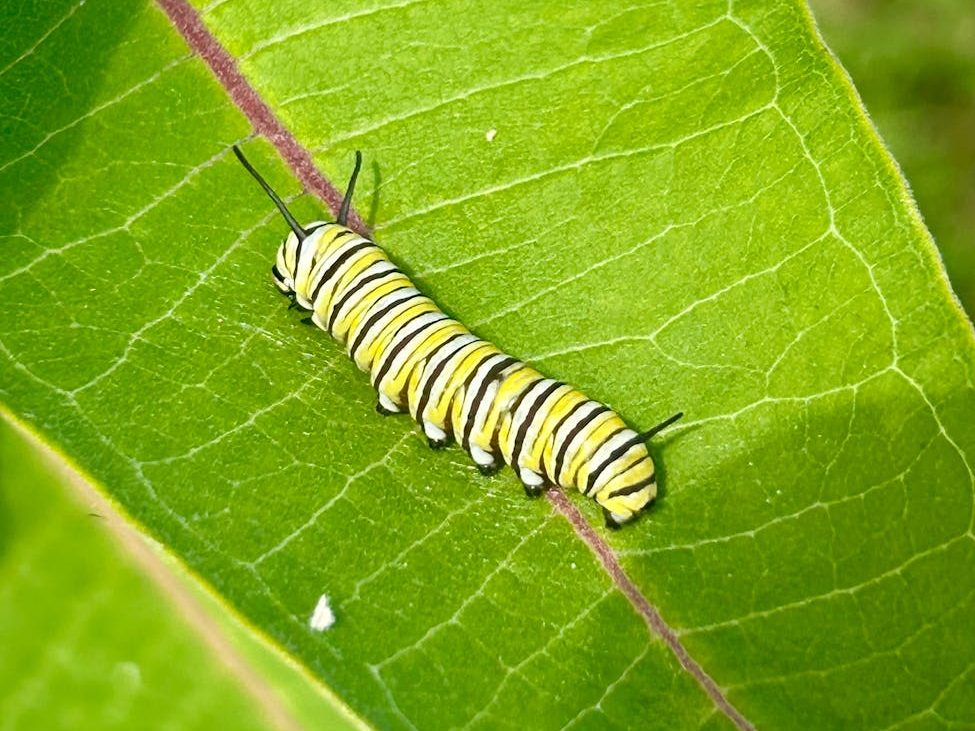
- After hatching, the tiny black-and-white-striped caterpillars begin feeding on milkweed leaves.
- They go through five growth stages (instars) over about two weeks, shedding their skin each time.
- Healthy caterpillars should have strong appetites and grow noticeably larger each day.
WHAT TO LOOK OUT FOR:
- Predators: Spiders, ants, wasps, and birds can prey on eggs and caterpillars. To protect them, you can raise caterpillars indoors using mesh enclosures and fresh milkweed leaves.
- Disease: Monarch caterpillars are susceptible to OE (Ophryocystis elektroscirrha), a harmful parasite. Infected caterpillars may appear weak, fail to pupate properly, or develop deformed wings. To prevent spread, wash hands before handling and keep enclosures clean.
- Milkweed Quality: Caterpillars rely solely on milkweed. Ensure leaves are fresh, free of pesticides, and replaced daily if raising indoors. Swamp milkweed is a great choice since it’s softer and easier for caterpillars to eat compared to other milkweed species.
CHRYSALIS STAGE
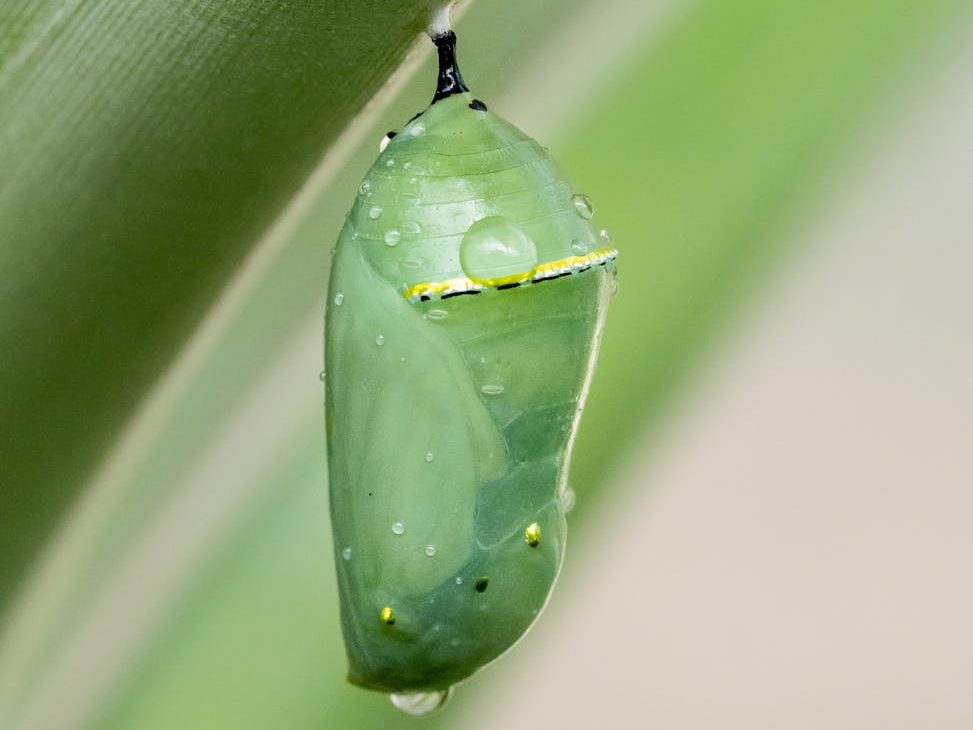
- After about two weeks, the caterpillar will crawl away from milkweed, find a safe place, and form a chrysalis.
- Chrysalises should be bright green with gold spots. If they turn black or brown prematurely, disease or parasites may be present.
- If raising indoors, provide a safe, undisturbed place for pupation, such as the top of a mesh enclosure.
BUTTERFLY EMERGENCE (ECLYSION)
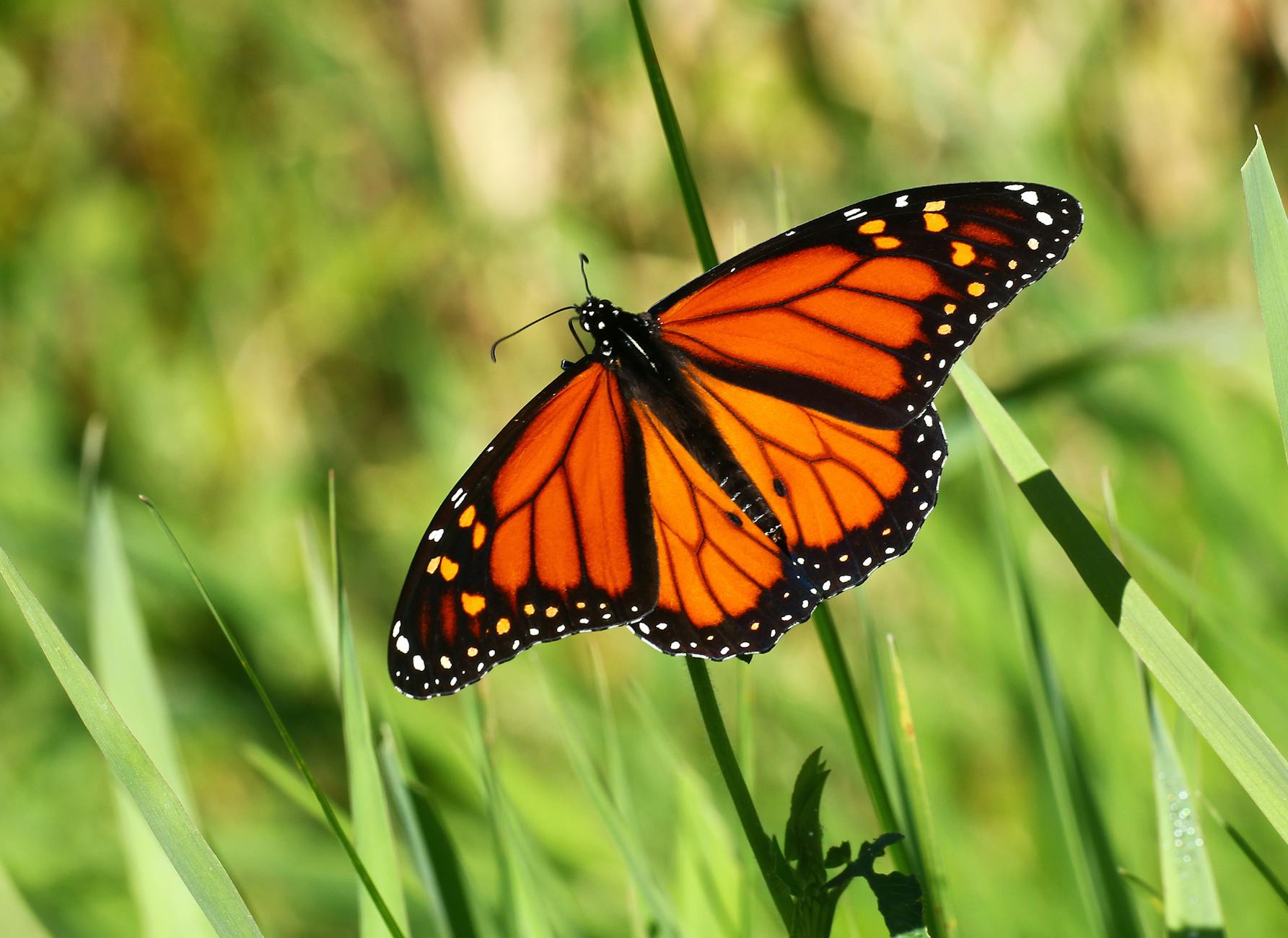
- After 8-14 days, the chrysalis will darken, and the butterfly will emerge.
- Newly hatched butterflies need several hours for their wings to dry before flying. Do not disturb them during this process.
- Release healthy butterflies near nectar-rich flowers, ideally on a warm, sunny day with little wind.
GENERAL PROTECTION TIPS
- Avoid pesticides: Even organic sprays can harm monarchs at any stage.
- Provide native nectar sources: Plant late-season flowers like goldenrod and asters to help migrating monarchs fuel up for their journey.
- Report sightings: Contribute to monarch conservation by reporting sightings to programs like Journey North or Monarch Watch.
By creating a safe habitat and monitoring for threats, you can help monarch caterpillars grow into strong, healthy butterflies!
Here are some trustworthy sites where you can learn more about monarchs, milkweed, and conservation efforts:
- Monarch Watch (https://www.monarchwatch.org) – A leading organization focused on monarch conservation, migration tracking, and how to create monarch habitats.
- Xerces Society (https://www.xerces.org) – A nonprofit dedicated to invertebrate conservation, with excellent resources on pollinators and native milkweed species.
- Journey North (https://journeynorth.org/monarchs) – Tracks monarch butterfly migration and provides educational resources for citizen scientists.
- Monarch Joint Venture (https://monarchjointventure.org) – A collaboration of organizations working to protect monarchs and their habitat, offering research-based conservation guidance.
- USDA Plants Database (https://plants.usda.gov/home) – Provides detailed information on native plants, including swamp milkweed (Asclepias incarnata).
- Pollinator Partnership (https://www.pollinator.org) – Offers guidance on supporting pollinators, including monarchs, with planting guides by region.
These sites offer reliable, research-backed information to help you better understand and support monarchs and milkweed conservation efforts.
 Florals by Shann
Leave a comment